
Dolomite


- $40.00 shipping
- Seller offers an extended return window of up to 30 days
 Ships from USA
Crystal ClassicsFeatured
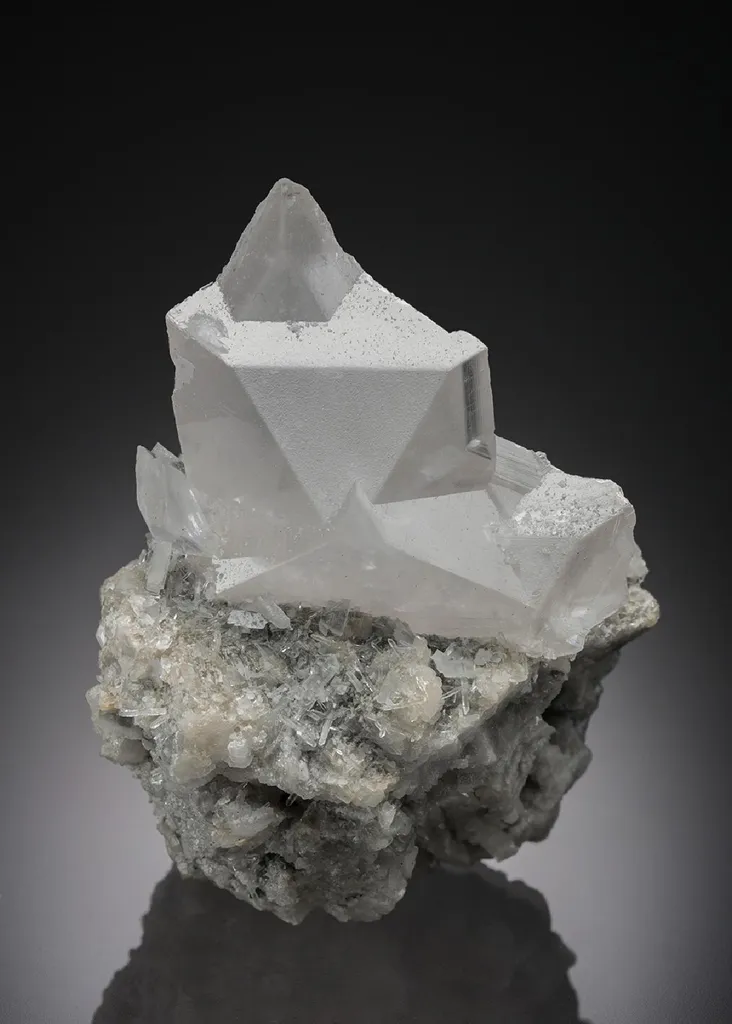
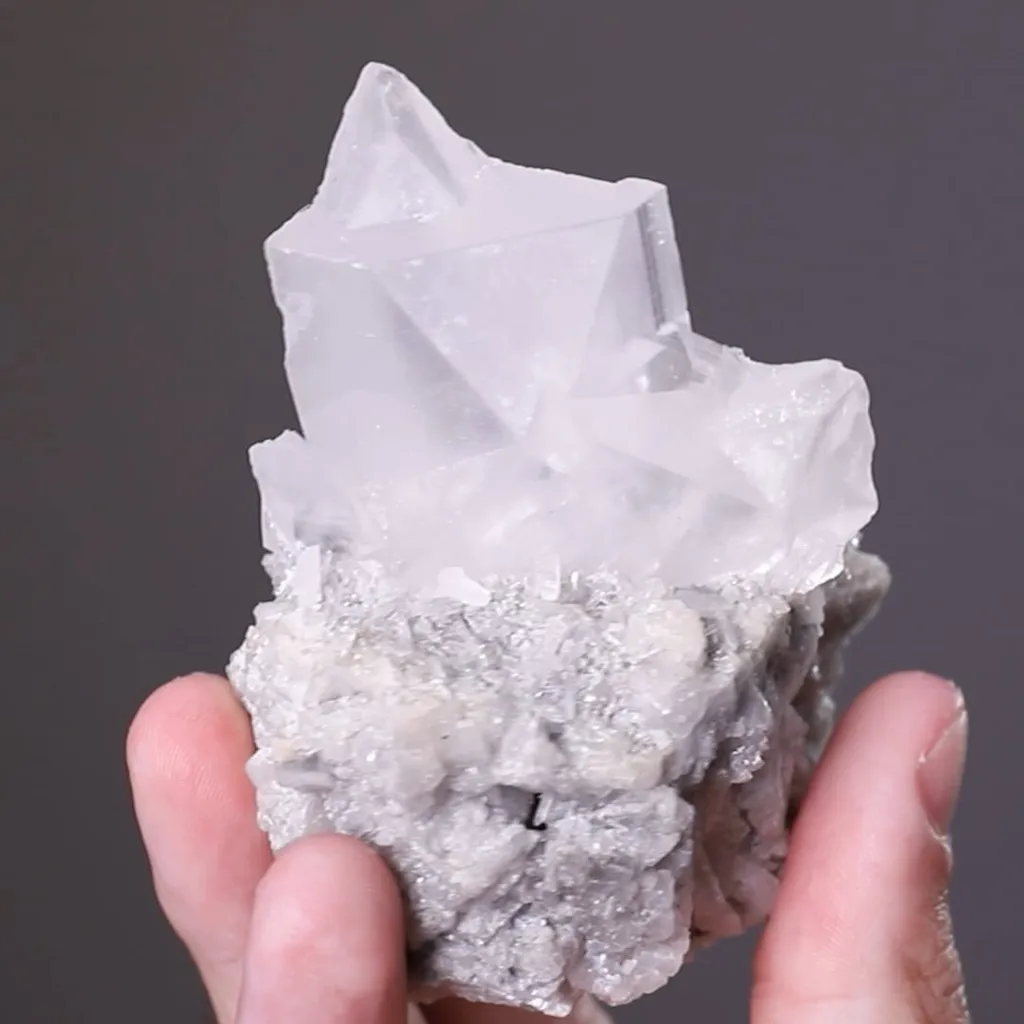
Tucson, Arizona, USAMagnesite deposits at Sunk near Hohentauern in Styria, Austria were first worked in 1641 for an unusual decorative 'marble' known as pinolite. It took until the invention of the Bessemer Process of steel-making in the 1850s for the demand for pure Magnesite to surge, after which the quarries and mines at Sunk expanded. Peak production was in 1965 with a steady decline until closure in 1991. Overall, Sunk was the third largest Magnesite mine in Styria. Mineralogically, the mines and quarries at Sunk are renowned for some of the finest Magnesite crystals the world has seen, but also exceptional rhombic Dolomite crystals. It is not so much the individual Dolomite crystals but twinned crystals which have made it so famous. This stunning small cabinet specimen features sharp, twinned rhombic crystals on matrix, the largest reaching 5 cm in length by approximately 2.5 cm wide. These crystals are extremely well-formed, colourless, and transparent to translucent. Internally, they display some growth lines in the form of slight colour changes, and these lines allow the determination of where the twinning occurs, otherwise the join is seamless. It is from the superb systematic collection assembled by the brothers Martin and Michael Günther (1951-2007 & 1956-2021).
Product details
Species
SizeSmall Cabinet
Dimensions6.4 x 8.7 x 5.3 cm
Listed on03/10/2025
Locality
SKUCC28373
Comments