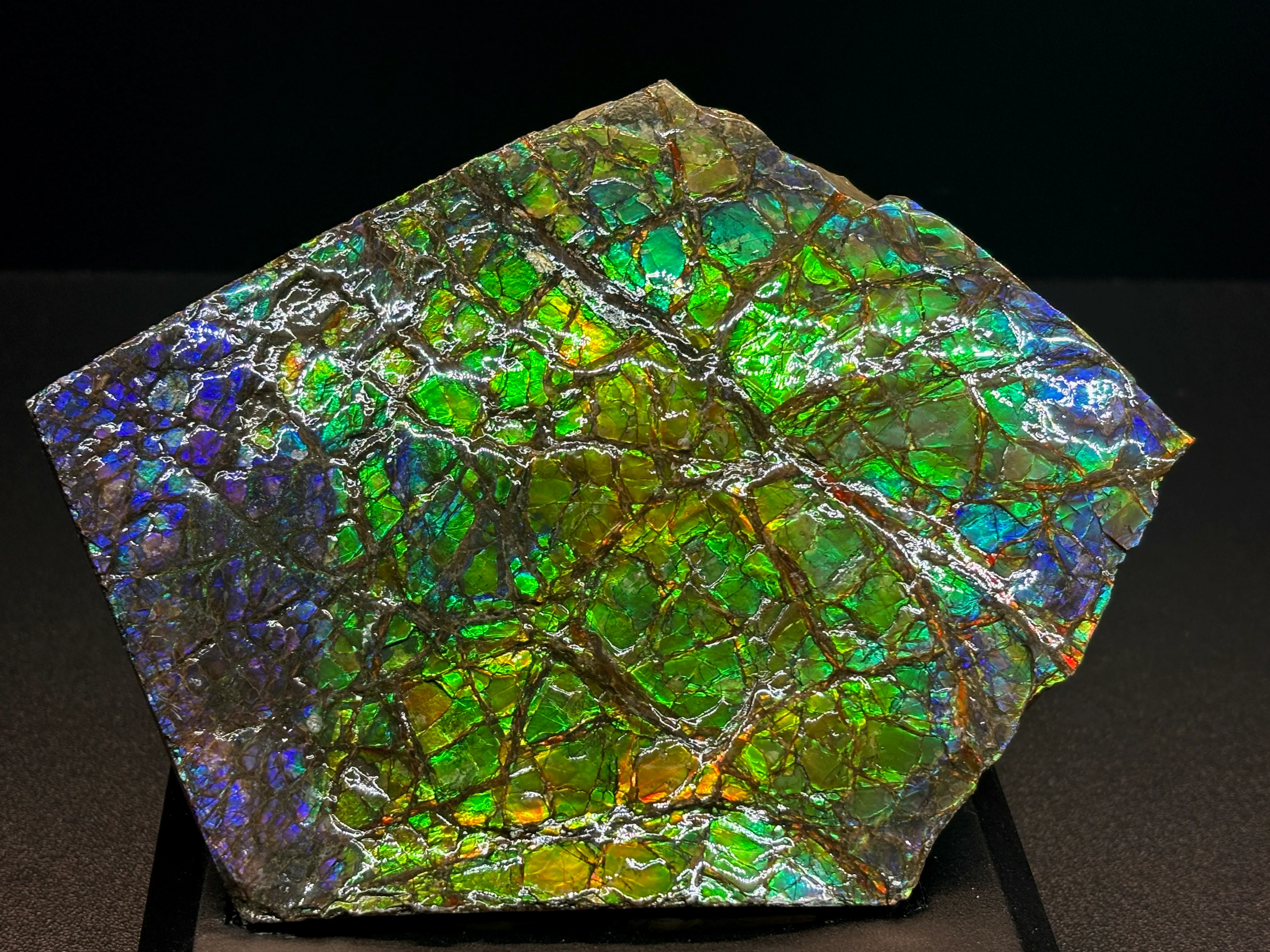

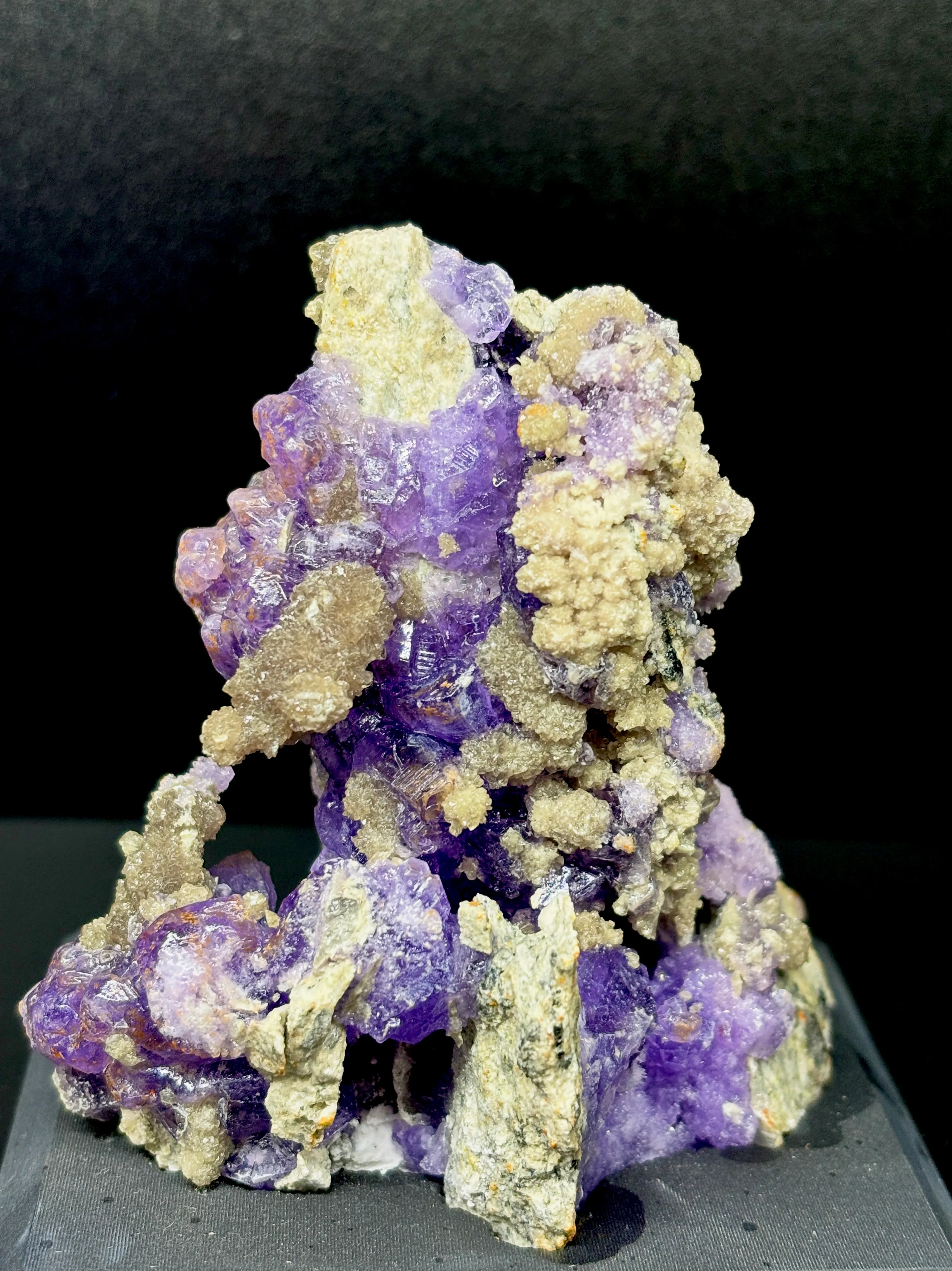

To start with, this is not an authoritative article on how to clean and protect Coquimbite or Krausite. I am not a geologist or someone with extensive knowledge of minerals. What follows is just knowledge I acquired as I began researching how to rescue one of my specimens. I am posting this blog just as a way to start a conversation within our community for others that may face a similar problem but with perhaps different minerals. I also started this project just before the excellent blog entitled, "How to Clean Minerals by Type" by the EarthWonders team that was posted on 10/8/2026. If you haven't read it already it is very detailed and is an outstanding resource.
Three years ago I purchased a Coquimbite and Krausite specimen. At the time I was not aware that both these minerals tend to oxidize and discolor over time from humidity. I store my collection in cabinets with glass doors but this offers little protection from humidity. Over time I notice an orange/rusty discoloration on the specimen. I needed to do two things, figure out how to remove the oxidation and how to prevent it from returning. I also wanted to keep the specimen with the rest of my collection and not isolate it in a sealed container by itself. I have no experience in mineral cleaning or preservation at all. I tried asking around and because these two minerals seem to be fairly rare, no one else I contacted had any insight to share. So, I did a lot of research. What follows is just what I learned from information gathered from the internet. This is specific for these two types of minerals only. Do not repeat this with one of your specimens without doing your own research. As the blog, "How to Clean Minerals by Type" clearly details, there is no safe single method for all minerals. So, first I learned I had to dry the specimen out completely. I did this by placing it in a large sealed jar with multiple silica gel packs in the jar. I left the specimen in the jar for one week. Next I needed to remove the discoloration. According to articles I read, normal rust removing chemicals would destroy my specimen. "How to Clean Minerals by Type" provides an excellent summary. One source said applying 100% acetone with a Q-tip would just dissolve the rust instantly and clean it up. This did nothing. I tried toothbrushes, fine brass wire brushes, dental picks, etc. In the end I had to use a Dremel tool with a soft steel wire brush. I did this very lightly and used low speed. This was very successful and I was able to remove the discoloration and not damage the minerals. If you look closely you can still see a few tiny areas of oxidation that I was not able to safely reach with my Dremel tool but, overall it looks much improved. Next I had to seal the specimen and hopefully prevent the oxidation from recurring. The best idea seemed to be making a mixture by dissolving 5 grams of archival grade Paraloid B-72 in 100 ml of 100% acetone. Paraloid B-72 is a durable non-yellowing thermoplastic acrylic resin and is available on line. I wrapped the B-72 chips in cheese cloth and suspended them in the acetone overnight. After this I tested the solution several times on the posterior aspect of the specimen to make sure it wasn’t going to negatively impact the appearance of the specimen and it did not. After each time I put the specimen back in the sealed glass jar with the silica gel packs. The first 3 times I did this new spots of oxidation appeared within hours. I hypothesized that this may be because I hadn’t dried out the specimen out completely during the first week. A such, the silica gel environment just drew more moisture out of the specimen and this caused more oxidation. I kept removing the new areas of discoloration until no new ones were appearing again while it was in the sealed jar. After this I then blotted the whole specimen with the solution using a small foam brush. I then placed it back in the sealed jar for 2-3 days and no new areas of oxidation developed. The specimen is now back in the display case with the rest of my collection. I will continue to observe it over the months and years to come and will give updates from time to time. If you go and view this specific mineral specimen in my collection you can see the before and after photos of this specimen. It would be nice to start a specific mineral restoration and preservation resource on EarthWonders for minerals that are prone to problems because it is so hard to find out anything about this. If anyone has any additional knowledge or experience with this please reach out to me. Any advice would be welcome as would any constructive criticism. Thanks Chuck de Sibour